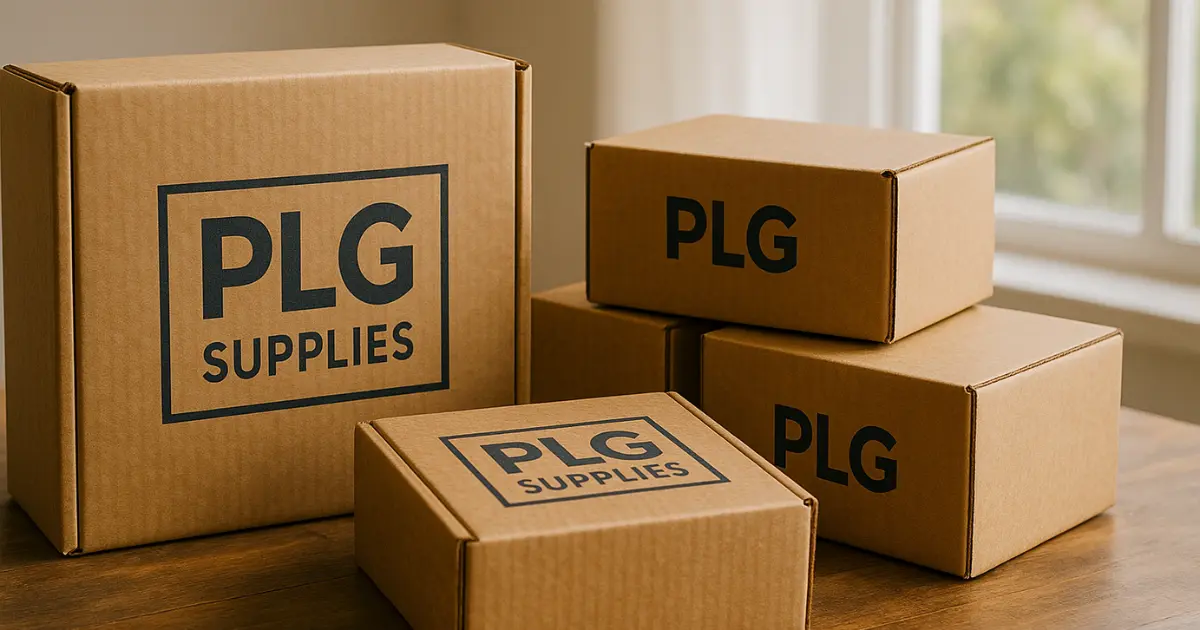
When it comes to industrial equipment and specialized supplies, PLG (Product Line Group) supplies represent a critical component for businesses across multiple sectors. Whether you’re a facility manager, procurement specialist, or business owner, understanding PLG supplies can significantly impact your operational efficiency and bottom line.
In this comprehensive guide, we’ll explore everything you need to know about PLG supplies, from their applications and benefits to sourcing strategies and cost optimization techniques.
What Are PLG Supplies?
PLG supplies encompass a broad category of industrial products and materials designed to support various operational needs across different industries. The term “PLG” typically refers to Product Line Groups, which are organized collections of related products that serve specific functional purposes within industrial, commercial, or institutional settings.
These supplies often include maintenance and repair items, safety equipment, cleaning products, packaging materials, and specialized tools that keep businesses running smoothly. The beauty of PLG supplies lies in their systematic organization, making procurement more efficient and inventory management more streamlined.
Understanding PLG supplies isn’t just about knowing what they are—it’s about recognizing how they can transform your operational workflow and reduce both costs and downtime.
Types of PLG Supplies and Their Applications
Industrial Maintenance Supplies

Industrial maintenance represents one of the largest categories within PLG supplies. These products include lubricants, adhesives, sealants, gaskets, bearings, and various mechanical components essential for equipment upkeep.
Manufacturing facilities rely heavily on these supplies to maintain production lines, prevent costly breakdowns, and ensure consistent output quality. The right maintenance supplies can extend equipment life by decades while reducing unexpected repair costs.
Safety and Personal Protection Equipment

Safety-focused PLG supplies encompass personal protective equipment (PPE), safety signage, emergency equipment, and hazard detection tools. These supplies aren’t just regulatory requirements—they’re investments in workforce protection and business continuity.
From hard hats and safety glasses to fall protection systems and chemical-resistant gloves, safety supplies within PLG categories help businesses maintain OSHA compliance while protecting their most valuable asset: their employees.
Facility Management and Cleaning Supplies
Facility management supplies include cleaning chemicals, maintenance tools, HVAC supplies, and building maintenance materials. These products ensure that business environments remain safe, clean, and professional.
The janitorial and maintenance aspects of PLG supplies often go unnoticed, but they play a crucial role in creating positive impressions for customers and maintaining healthy work environments for employees.
Packaging and Shipping Materials

PLG supplies also encompass packaging materials, shipping supplies, and warehouse organization tools. These products are essential for businesses involved in product distribution, e-commerce, or any operation requiring secure product transportation.
From corrugated boxes and protective packaging to shipping labels and tape, these supplies ensure products reach customers in perfect condition while maintaining cost-effective shipping practices.
Benefits of Using PLG Supplies
Streamlined Procurement Process
One of the most significant advantages of organizing purchases through PLG supply systems is the streamlined procurement process. Instead of sourcing individual items from multiple vendors, businesses can work with PLG suppliers who offer comprehensive product lines.
This consolidation reduces administrative overhead, simplifies vendor management, and often results in better pricing through volume purchasing agreements. Procurement teams can focus on strategic sourcing rather than managing dozens of individual supplier relationships.
Improved Inventory Management
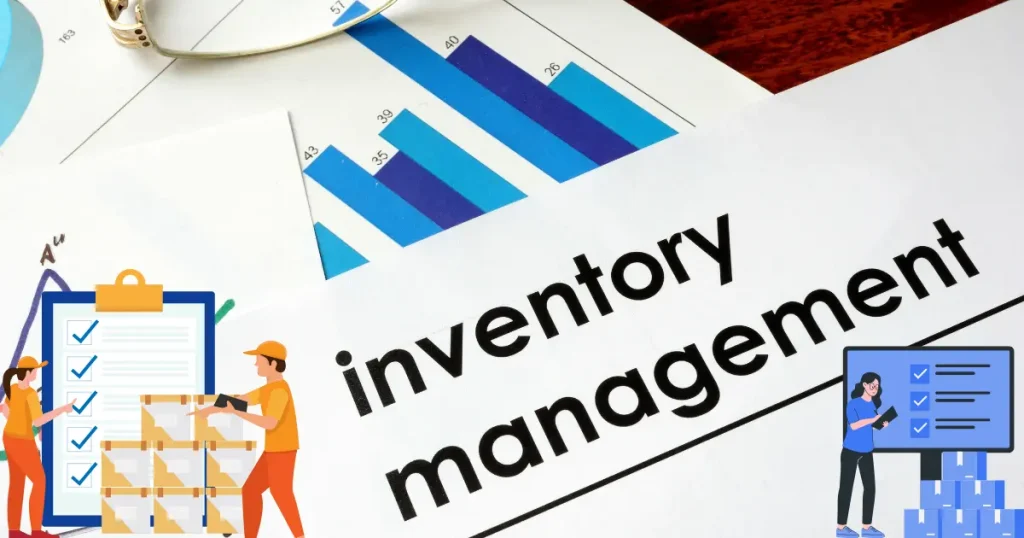
PLG supply systems typically come with sophisticated inventory management tools and support. Suppliers often provide inventory tracking, automated reordering systems, and usage analytics that help businesses optimize their supply chain.
These systems reduce the risk of stockouts while minimizing excess inventory costs. Many PLG suppliers offer vendor-managed inventory programs where they monitor usage patterns and automatically replenish supplies before they run out.
Cost Optimization Opportunities
Working with PLG suppliers often provides access to volume discounts, contract pricing, and bulk purchasing opportunities that aren’t available when buying individual items. These cost savings can be substantial, especially for businesses with consistent supply needs.
Additionally, PLG suppliers often provide cost analysis and usage optimization consulting, helping businesses identify opportunities to reduce consumption without compromising operational efficiency.
Technical Support and Expertise
Reputable PLG suppliers bring decades of industry expertise to their client relationships. They can provide technical support, product recommendations, and application guidance that helps businesses select the most appropriate supplies for their specific needs.
This expertise is particularly valuable when dealing with specialized applications or when businesses are looking to improve their current processes through better supply selection.
How to Choose the Right PLG Supplier
Evaluating Supplier Capabilities
When selecting a PLG supplier, it’s essential to evaluate their product range, inventory capabilities, and service offerings. The best suppliers offer comprehensive product lines that can meet most of your operational needs while maintaining consistent availability.
Look for suppliers who invest in modern inventory management systems, have multiple distribution centers, and can provide detailed product information and technical specifications. These capabilities indicate a supplier’s commitment to service excellence.
Assessing Quality Standards
Quality should never be compromised when selecting PLG supplies. Evaluate potential suppliers based on their quality certifications, brand partnerships, and quality control processes. Suppliers who work with reputable manufacturers and maintain strict quality standards will provide more reliable products.
Request product samples, review technical specifications, and ask for references from similar businesses. This due diligence ensures that you’re partnering with suppliers who can consistently deliver products that meet your operational requirements.
Understanding Service and Support Offerings
The best PLG suppliers go beyond simply providing products—they offer comprehensive support services that add value to your business relationship. Look for suppliers who provide technical support, training programs, inventory management services, and emergency fulfillment capabilities.
Consider suppliers who offer digital platforms for ordering, tracking, and managing your supply needs. These tools can significantly improve your procurement efficiency and provide valuable usage insights.
Evaluating Pricing and Contract Terms
While cost is always a consideration, it shouldn’t be the only factor in supplier selection. Evaluate the total value proposition, including product quality, service levels, and long-term partnership potential.
Review contract terms carefully, paying attention to pricing structures, volume discounts, delivery terms, and return policies. The best PLG supplier relationships are built on transparent, fair contract terms that provide value to both parties.
Best Practices for PLG Supply Management
Implementing Effective Inventory Control
Successful PLG supply management starts with effective inventory control systems. Establish minimum and maximum stock levels for critical items, implement regular inventory audits, and use data analytics to optimize ordering patterns.
Consider implementing just-in-time inventory practices for non-critical items while maintaining safety stock for essential supplies. This approach balances inventory costs with operational reliability.
Establishing Usage Monitoring Systems
Monitor supply usage patterns to identify optimization opportunities and predict future needs. Many businesses discover significant cost savings by analyzing usage data and adjusting their procurement strategies accordingly.
Implement systems that track usage by department, project, or application. This granular data helps identify areas where consumption can be optimized or where different products might provide better value.
Creating Standard Operating Procedures
Develop clear procedures for requesting, approving, and distributing PLG supplies. Standardized processes reduce waste, improve accountability, and ensure that supplies are used efficiently across your organization.
Train employees on proper usage procedures and establish guidelines for when specialty or alternative products should be considered. These procedures help maximize the value of your PLG supply investments.
Building Strategic Supplier Relationships
Treat your PLG supplier relationships as strategic partnerships rather than transactional arrangements. Regular communication, performance reviews, and collaborative planning sessions can unlock additional value and innovation opportunities.
Work with suppliers to identify new products or technologies that could improve your operations. The best supplier relationships involve ongoing collaboration and mutual investment in success.
Future Trends in PLG Supplies
Digital Transformation and Smart Inventory
The PLG supply industry is experiencing significant digital transformation. Smart inventory systems, IoT-enabled supply monitoring, and AI-powered demand forecasting are becoming standard offerings from leading suppliers.
These technologies provide real-time visibility into supply levels, automated reordering capabilities, and predictive analytics that help businesses optimize their supply chain operations.
Sustainability and Environmental Considerations
Environmental sustainability is becoming increasingly important in PLG supply selection. Businesses are prioritizing suppliers who offer eco-friendly products, sustainable packaging, and carbon-neutral shipping options.
This trend is driving innovation in product development, with manufacturers creating more environmentally responsible alternatives to traditional supplies without compromising performance.
Customization and Specialized Solutions
The future of PLG supplies includes more customization and specialized solutions tailored to specific industry needs. Suppliers are developing industry-specific product lines and offering custom formulations or configurations.
This specialization allows businesses to optimize their operations with supplies designed specifically for their applications, resulting in better performance and cost efficiency.
Conclusion
PLG supplies represent a critical component of modern business operations, offering opportunities for cost optimization, operational efficiency, and strategic advantage. Success with PLG supplies requires careful supplier selection, effective inventory management, and a commitment to continuous improvement.
By understanding the various types of PLG supplies, their applications, and best practices for management, businesses can build supply chain strategies that support their operational goals while controlling costs. The key is finding the right balance between product quality, service levels, and cost effectiveness.
As the industry continues to evolve with new technologies and sustainability requirements, businesses that stay informed about PLG supply trends and maintain strong supplier relationships will be best positioned for long-term success.
Whether you’re just beginning to explore PLG supply options or looking to optimize your current approach, the principles and strategies outlined in this guide provide a solid foundation for making informed decisions that benefit your business operations and bottom line.
